How an On-Site ATM Encourages Impulse Buying in Kansas Small Businesses
- December 24, 2025
- admin
- 2:40 pm
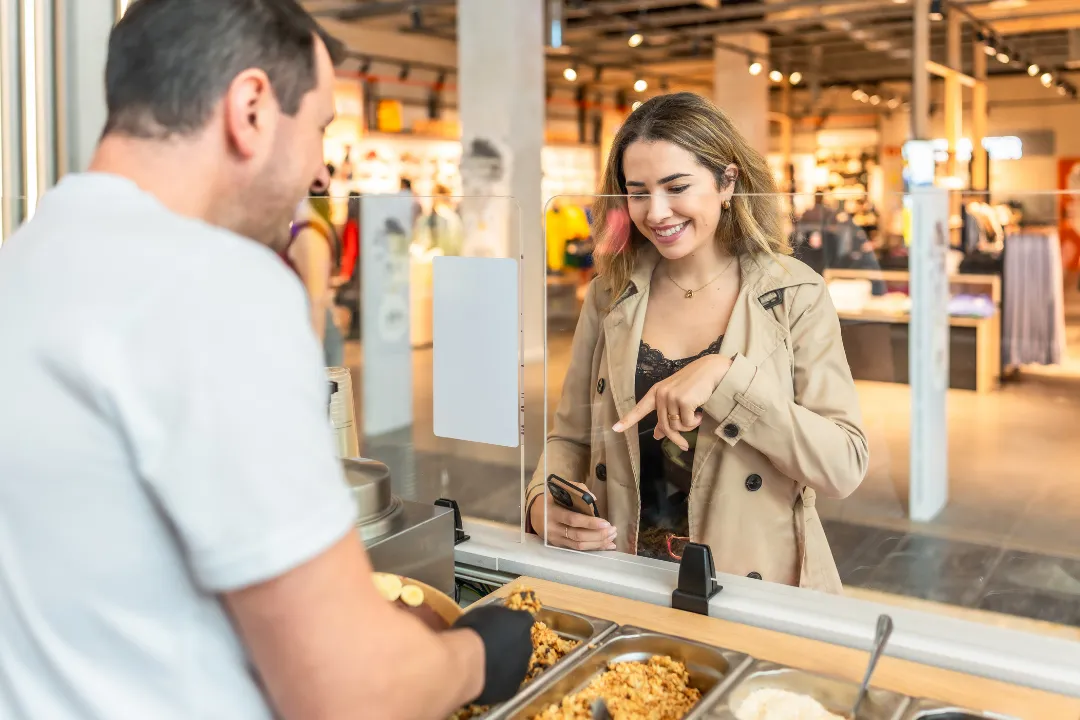
Impulse buying isn’t only about marketing—it’s about timing and convenience. In Kansas, many small businesses lose “right-now” sales when customers realize they don’t have enough cash and decide to leave to find an ATM elsewhere. That break in momentum is where purchases die: the customer changes their mind, chooses a competitor, or simply doesn’t come back. An on-site ATM solves that problem in seconds, keeping the customer in your space and allowing them to complete the purchase immediately—especially for small-ticket items, add-ons, tips, and cash-preferred services. Whether you run a convenience store in Wichita, a local shop in Overland Park, a bar near Kansas City (KS), or a service business in Topeka, this guide explains how ATMs influence impulse buying behavior in practical ways—and how to place, support, and maintain your ATM so it increases convenience without creating downtime headaches.
Impulse Buying Happens When Customers Stay in the “Buying Zone”
Impulse purchases happen when the customer is already engaged—standing in line, browsing an extra rack, waiting for food, or deciding whether to add one more item. That’s the “buying zone,” and leaving the property destroys it. In Kansas convenience stores and fuel locations, this shows up as skipped snacks, drinks, and add-on items. In restaurants and bars, it shows up as smaller tips, fewer rounds, or customers choosing not to stay longer. In local service businesses, it can mean the customer delaying upgrades, not buying related products, or avoiding optional services. When an ATM is available on-site, the customer can withdraw immediately and stay in the same purchase mindset. This is especially useful in Kansas markets that see peak surges—weekend evenings, event nights, and college-town traffic in places like Lawrence and Manhattan—where customers are already primed to spend but don’t want to leave and lose their spot, their table, or their group. The ATM becomes a convenience tool that protects momentum, which is the real driver of impulse buying.
An ATM Reduces “Friction,” and Less Friction Means More Sales
Friction is anything that slows down a purchase: needing cash, finding a bank, dealing with long waits, or driving to another location. Kansas small businesses feel this most in fast-moving environments where customers want speed—convenience stores, quick-service spots, bars, and busy retail counters. The moment a customer hits friction, their brain starts renegotiating the purchase: “Do I really need this?” “I’ll just get it later.” “I’ll stop somewhere else.” An ATM inside your business removes the friction instantly, which keeps the purchase decision alive. It also makes spending feel easier because the customer can solve their cash need without breaking the flow. When this happens repeatedly, customers begin associating your location with being prepared and convenient—which builds repeat behavior. Over time, that repeat behavior increases not only impulse purchases but also overall customer retention because people return to places that make transactions simple.
Where Impulse Buying Gains Are Strongest in Kansas
Kansas impulse buying tends to increase the most in locations where cash is part of the “normal” experience. Convenience stores and gas stations are obvious examples—customers buy add-ons at checkout and often need cash fast. Bars and restaurants benefit because cash supports tipping, cover charges, quick tabs, and spontaneous add-ons. Event-adjacent venues—local fairs, weekend markets, and entertainment spots—often see the biggest spikes because customers are already in spending mode and don’t want to leave the event area. Hotels can also benefit when guests need cash for nearby activities or tipping. Even small retail shops see gains when customers withdraw cash and immediately decide to purchase one more item, upgrade, or bundle. The key is not just having an ATM—it’s placing it where people naturally notice it and can use it quickly, without asking staff. In Kansas cities like Wichita, Overland Park, Topeka, and the Kansas City (KS) area, a visible indoor ATM in a safe, accessible area typically performs better than a hidden machine that customers discover only after they’re already ready to leave.
Buy, Lease, Rent, or Free Placement: Matching the Right Option to Your Business
Not every Kansas small business should take the same path to install an ATM. Buying is usually best when you want long-term control and steady daily usage. Leasing can be a better fit if you want a professional setup while keeping upfront spending lower and planning monthly costs more predictably. Renting is ideal for temporary needs—events, seasonal traffic spikes, pop-ups, and festival weekends. Free placement can be attractive, but it typically depends on qualifying factors like consistent foot traffic, operating hours, safe indoor placement space, and realistic transaction expectations. The “best” option is the one that fits your traffic patterns and goals—not the one that sounds easiest in a headline. Once the ATM is installed, keeping it reliable matters most: stable processing, quick service support, and a plan for repairs and downtime prevention. That’s what protects impulse-buying gains over time because customers only keep using an ATM they trust.
The Hidden Requirement: Uptime, Processing, and Service Support
Impulse buying gains disappear if the ATM is unreliable. Customers don’t retry a machine that fails twice—they simply move on and stop trusting it. That’s why Kansas small businesses should treat the ATM as part of the customer experience, not just equipment. Reliable processing reduces transaction friction and declines. Monitoring helps catch warning signs early—connectivity drops, repeated error codes, or slow performance. Repairs and maintenance keep the machine from becoming the “out of order” corner that customers ignore. This is especially important during the most valuable times: weekend evenings, commuter peaks, and event surges. When your ATM stays stable, customers keep using it, cash stays accessible, and the impulse buying behavior you’re trying to protect remains consistent. In simple terms: uptime keeps the momentum alive, and momentum is what drives impulse purchases.